Posts
Posts


I'm going to give you the secret. But first ...
I should have expected it. Gypsy still hasn't forgiven me for making life hard for her Food Guy.
Ghost of Ernest Hemingway here.
If you're wondering what I'm talking about, you'll have to read GHOST OF A CHANCE here on this blog.
For now, I'm here to spell Roland. Give him time to mend from that cold of his.
For awhile there, I thought he was going to join us ghosts.
Now, back to the secret ...
The secret to writing a great novel is that it is poetry written into prose.
Period. The end. No more. No less.
Always boiling it down, rather than spreading it thin or thick.
All good books are alike in that they are truer than if they really had happened. And after you've finished them, you feel a bit as if they had happened to you.
How do they do that?
By leaving out all the needless trifles that sound pretty but prove pointless.
Those books will have you tasting the salt in the sea air,
smelling the fragrance of the cooking in the woman's hair as you hold her close,
and feeling the warmth of the sun as you lie bleeding in the sand by the stamping hooves of the bull.
It is the hardest thing to do in prose, putting the poetry into it -- but it is the most important.
If you do the writing well enough, the first person narration will seem real. Why?
Because you wrote as if the experiences were happening to you, housed inside the mind and body of your hero.
Those tiny things like the grit of dirt in your mouth when you were knocked down into it by that thug.
How the inside of your mouth felt like shredded wheat from the first blow to your lips.
How sweet was the sound of his grunt of pain as you butted him in the face, breaking his nose.
If you can do this, your novel will become a part of the reader's reality and a part of his experience. He will add details from his own warehouse of memories, making your novel rich with the depth of his own collective unconscious.
Do this, and your novel will become part of his life. It will live as long as he does. Do it well enough, and it will live as long as his children who hear about the novel, then read it for themselves.
Do it true and well enough, it will last as long as there are human beings.
***
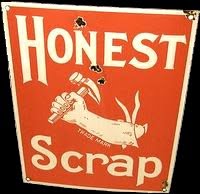
This is NOT one of those stories Hemingway was writing about :
I should have expected it. Gypsy still hasn't forgiven me for making life hard for her Food Guy.
Ghost of Ernest Hemingway here.
If you're wondering what I'm talking about, you'll have to read GHOST OF A CHANCE here on this blog.
For now, I'm here to spell Roland. Give him time to mend from that cold of his.
For awhile there, I thought he was going to join us ghosts.
Now, back to the secret ...
The secret to writing a great novel is that it is poetry written into prose.
Period. The end. No more. No less.
Always boiling it down, rather than spreading it thin or thick.
All good books are alike in that they are truer than if they really had happened. And after you've finished them, you feel a bit as if they had happened to you.
How do they do that?
By leaving out all the needless trifles that sound pretty but prove pointless.
Those books will have you tasting the salt in the sea air,
smelling the fragrance of the cooking in the woman's hair as you hold her close,
and feeling the warmth of the sun as you lie bleeding in the sand by the stamping hooves of the bull.
It is the hardest thing to do in prose, putting the poetry into it -- but it is the most important.
If you do the writing well enough, the first person narration will seem real. Why?
Because you wrote as if the experiences were happening to you, housed inside the mind and body of your hero.
Those tiny things like the grit of dirt in your mouth when you were knocked down into it by that thug.
How the inside of your mouth felt like shredded wheat from the first blow to your lips.
How sweet was the sound of his grunt of pain as you butted him in the face, breaking his nose.
If you can do this, your novel will become a part of the reader's reality and a part of his experience. He will add details from his own warehouse of memories, making your novel rich with the depth of his own collective unconscious.
Do this, and your novel will become part of his life. It will live as long as he does. Do it well enough, and it will live as long as his children who hear about the novel, then read it for themselves.
Do it true and well enough, it will last as long as there are human beings.
***
This is NOT one of those stories Hemingway was writing about :